11 Things You Didn’t Know About Hard-Boiled Eggs
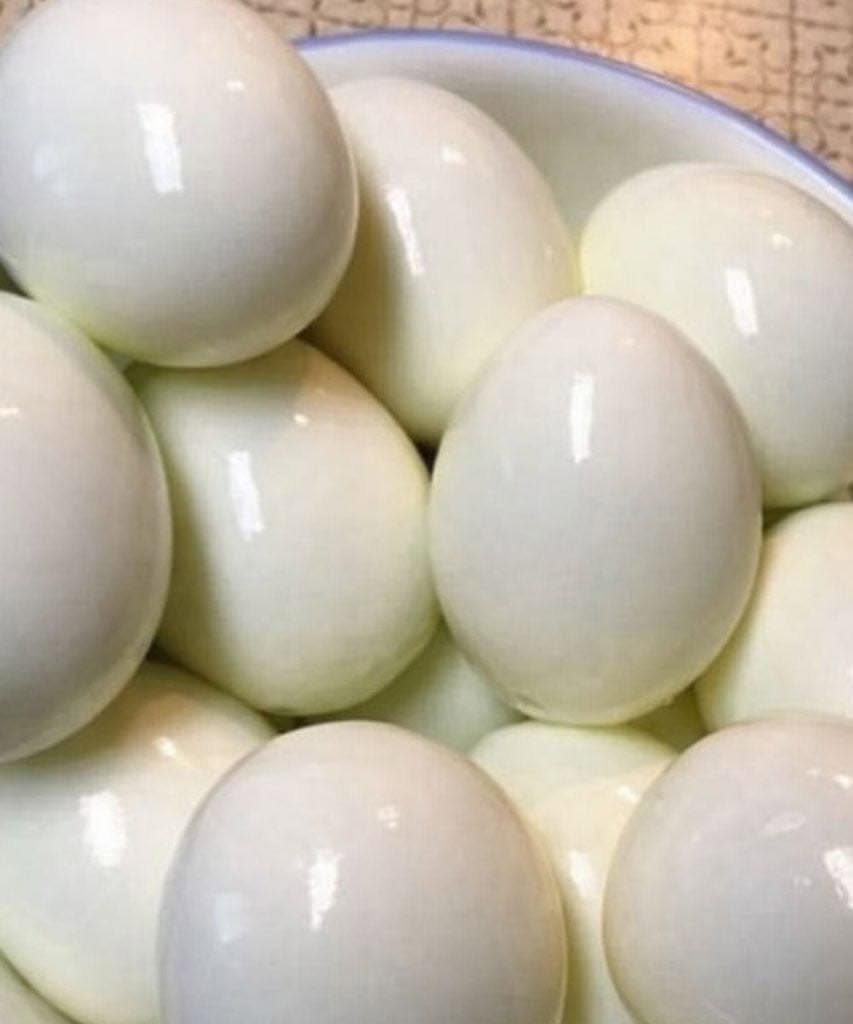
Hard-boiled eggs are one of the most popular and convenient foods around the world. They are affordable, easy to prepare, rich in nutrients, and can be enjoyed for breakfast, as a snack, or as part of many different meals.
Although eggs may seem like a simple food, there are many interesting facts about them. From their nutritional value and storage to cooking techniques and surprising changes in appearance, hard-boiled eggs have more to offer than many people realize.
1. Hard-Boiled Eggs Are Packed With Nutrients
A single hard-boiled egg provides high-quality protein, healthy fats, vitamins, and minerals.
Eggs contain important nutrients such as vitamin B12, vitamin D, selenium, choline, and essential amino acids. These nutrients support many normal functions in the body, including muscle maintenance and overall health.
Because eggs are nutrient-dense and relatively low in calories, they can be a useful part of a balanced diet.
2. Both the Egg White and the Yolk Have Nutritional Value
Many people focus mainly on egg whites because they are rich in protein. However, the yolk also contains many valuable nutrients.
The yolk provides fats, vitamins, minerals, and choline. Choline is an important nutrient that contributes to normal brain function and other processes in the body.
Therefore, unless there is a specific dietary reason to avoid the yolk, eating the whole egg provides a wider range of nutrients.
3. Eggs Can Be Part of a Heart-Healthy Diet
Eggs have sometimes been criticized because of their cholesterol content.
However, more recent research suggests that moderate egg consumption can fit into a balanced diet for many healthy people. The overall quality of the diet is more important than focusing on a single food.
Eggs provide several nutrients that can contribute to a healthy eating pattern when combined with vegetables, whole grains, fruits, and other nutritious foods.
4. Very Fresh Eggs Can Be Difficult to Peel
One surprising fact about hard-boiled eggs is that extremely fresh eggs can actually be harder to peel.
As eggs become slightly older, changes inside the egg create a small air space between the shell and the inner membrane. This can make the shell easier to remove after boiling.
If you have ever struggled to peel a very fresh egg, this may explain why.
5. Cooling Eggs Quickly Can Make Peeling Easier
After boiling eggs, placing them in cold water or an ice bath can help stop the cooking process.
Rapid cooling can also make peeling easier by helping separate the egg from the shell membrane.
This simple technique is commonly used by home cooks and professional chefs.
6. A Green Ring Around the Yolk Is Usually Harmless
Sometimes a hard-boiled egg develops a grayish-green ring around the yolk.
Although this may look strange, it is generally harmless. The color develops when sulfur compounds in the egg white react with iron in the yolk during prolonged cooking.
The green ring does not normally mean that the egg has spoiled.
To reduce the chance of developing this ring, avoid overcooking the eggs and cool them promptly after boiling.
7. Hard-Boiled Eggs Can Be Stored for Several Days
Properly refrigerated hard-boiled eggs can generally be stored for about a week.
Keeping the eggs in their shells until you are ready to eat them can help maintain their quality.
However, eggs should be refrigerated promptly after cooking and should not be left at room temperature for long periods.
When in doubt about whether an egg has been stored safely, it is better not to eat it.
8. Hard-Boiled Eggs Are Extremely Versatile
Hard-boiled eggs can be used in many different meals.
They can be added to:
- Salads
- Sandwiches
- Soups
- Grain bowls
- Appetizers
- Potato salads
Their mild flavor makes them easy to combine with vegetables, sauces, grains, and other foods.
9. Eggs May Help You Feel Full
Eggs contain protein and fat, two nutrients that can contribute to feelings of fullness.
For this reason, a hard-boiled egg can be a convenient and satisfying snack or part of a balanced breakfast.
Replacing highly processed snack foods with nutrient-dense foods such as eggs may help some people maintain a more satisfying eating pattern.
However, eating eggs alone does not guarantee weight loss. Overall diet and lifestyle remain more important.
10. Hard-Boiled Eggs Are Used Around the World
Eggs are an important part of many culinary traditions.
Different cultures use hard-boiled eggs in different ways. They may be added to salads, soups, rice dishes, sandwiches, and appetizers.
Popular examples include:
- Egg salad sandwiches
- Potato salads
- Ramen toppings
- Cobb salads
- Deviled eggs
- Soups and stews
This versatility is one of the reasons eggs have remained popular for generations.
11. Cooking Time Changes the Texture
The amount of time an egg is cooked has a major effect on its texture.
Shorter cooking times can produce a softer and creamier yolk, while longer cooking times produce a firmer yolk.
Finding the right cooking time depends on personal preference.
If you prefer a softer center, you can use a shorter cooking time. If you prefer a firm yolk that is easy to slice and use in salads or sandwiches, a longer cooking time may be better.
How to Make Better Hard-Boiled Eggs
For better results, start with eggs that are not extremely fresh if easy peeling is important to you.
Place the eggs in water and bring them to a boil. Once they are cooked to your preferred level, transfer them immediately to cold water or an ice bath.
Allowing the eggs to cool completely can make peeling easier and helps prevent them from continuing to cook.
Avoid cooking them for much longer than necessary, especially if you want to prevent the grayish-green ring around the yolk.
Are Hard-Boiled Eggs a Healthy Breakfast?
For most healthy people, hard-boiled eggs can be a nutritious breakfast choice.
They provide protein and several important vitamins and minerals. They can also be combined with other healthy foods such as vegetables, whole-grain bread, fruit, or yogurt to create a more balanced meal.
As with any food, portion size and the overall diet matter.
Final Thoughts
Hard-boiled eggs are much more than a simple breakfast food. They are nutritious, affordable, convenient, and extremely versatile.
They provide high-quality protein, vitamins, minerals, healthy fats, and other important nutrients. They can also help you feel satisfied and can be used in countless recipes around the world.
Understanding how cooking time affects texture, why some eggs are harder to peel, and how to store them properly can help you get more out of this simple food.
Whether you enjoy them for breakfast, as a snack, or as part of a larger meal, hard-boiled eggs can be a practical and nutritious addition to a balanced diet.